


舵机英文,舵机英文符号
舵机英文
Servo Motors: A Comprehensive Overview
In the realm of motion control, servo motors, or舵机英文 as referred to in their Chinese nomenclature, stand as a cornerstone of modern engineering. These electromechanical actuators are integral to a wide array of industrial and consumer applications, offering precise control over rotational or linear movement. This article delves into the intricacies of servo motors, their operational mechanisms, and their pivotal role in contemporary technological systems.
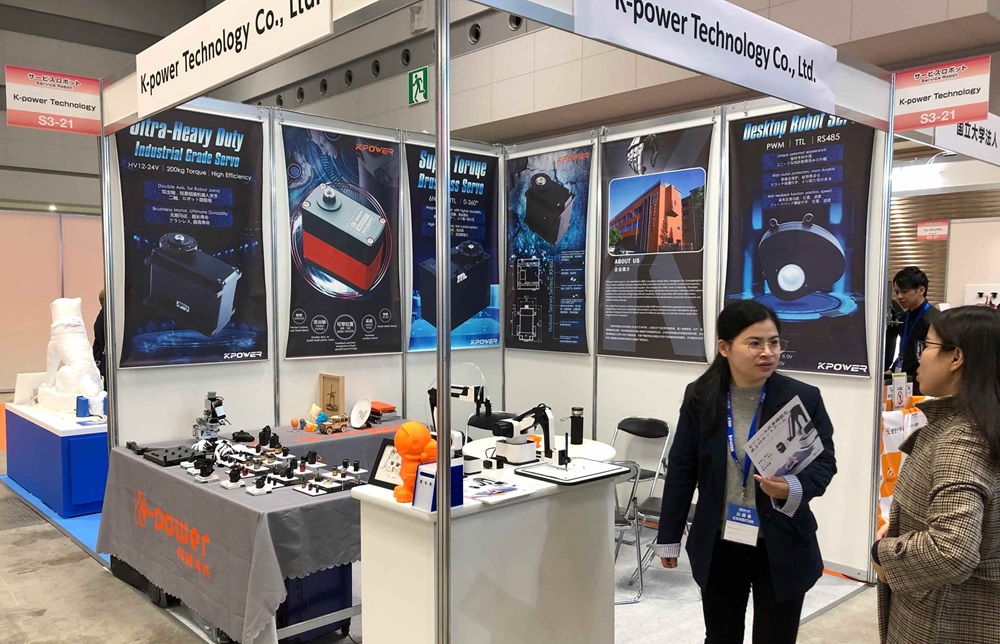
At its core, a servo motor operates on the principle of converting electrical energy into precise mechanical motion. Unlike traditional motors, servo motors incorporate feedback mechanisms, enabling them to achieve high levels of positional accuracy. This feedback loop involves sensors that continuously monitor the motor's position and compare it to the desired position, adjusting the output to ensure alignment with the command. This closed-loop control system is the essence of servo technology, providing the precision and reliability required in applications ranging from robotics to aerospace.
The structure of a servo motor typically comprises three key components: the control circuit, the drive circuit, and the executive mechanism. The control circuit interprets incoming commands and regulates the current supplied to the motor. The drive circuit, often a power amplifier, converts the control signals into the high-current, high-voltage signals necessary to drive the motor. The executive mechanism, usually a three-phase AC motor, executes the motion based on the drive signals. This modular design allows for adaptability across different applications, ensuring optimal performance in diverse environments.
Servo motors can be further classified into two categories: control-type and feedback-type. Control-type motors operate based on the duration of power supply, offering a degree of control but limited precision. In contrast, feedback-type servo motors, which are more prevalent today, utilize sensors to monitor position, speed, and torque, providing precise control and robust performance. This distinction underscores the evolution of servo technology toward more sophisticated, high-precision systems.

The applications of servo motors are vast and varied. In industrial automation, they are indispensable in robotic arms, CNC machines, and automated assembly lines, ensuring precision and efficiency. In aerospace, they are critical for controlling flight surfaces and actuators, contributing to the safety and performance of aircraft. The automotive industry leverages them in steering systems, automatic transmissions, and braking mechanisms, enhancing driving safety and comfort. Beyond industry, servo motors are integral to consumer electronics, such as printers, cameras, and home appliances, underscoring their ubiquity in modern life.
Looking ahead, the servo motor industry is poised for growth, driven by technological advancements and expanding applications. Innovations in materials science, such as the development of high-performance permanent magnets, are enhancing motor efficiency and reducing size. The integration of smart technologies, including machine learning and IoT, is enabling predictive maintenance and adaptive control, further elevating system reliability. As industries continue to demand higher precision, efficiency, and智能化, servo motors will undoubtedly remain at the forefront of motion control technology.
In conclusion, servo motors, or舵机英文, are a testament to engineering excellence, offering unparalleled precision and reliability across a multitude of applications. Their role in shaping the future of automation and robotics cannot be overstated, as they continue to drive innovation and efficiency in an ever-evolving technological landscape.
伟创动力(Kpower)成立于2005年,定位于专业的一体化驱控动力单元服务商。