


舵机舱英文,舵机英文怎么说
舵机舱英文
Steering Actuator Compartment: A Comprehensive Overview
In the realm of motion control and automation, steering actuator compartments play a critical role in enabling precise directional control in various applications. A steering actuator compartment, often referred to as a "steering actuator housing" or "舵机舱" in Chinese, is a component that houses and protects the steering actuator (舵机), which is responsible for controlling direction or orientation in systems such as drones, autonomous vehicles, marine vessels, and industrial robots.
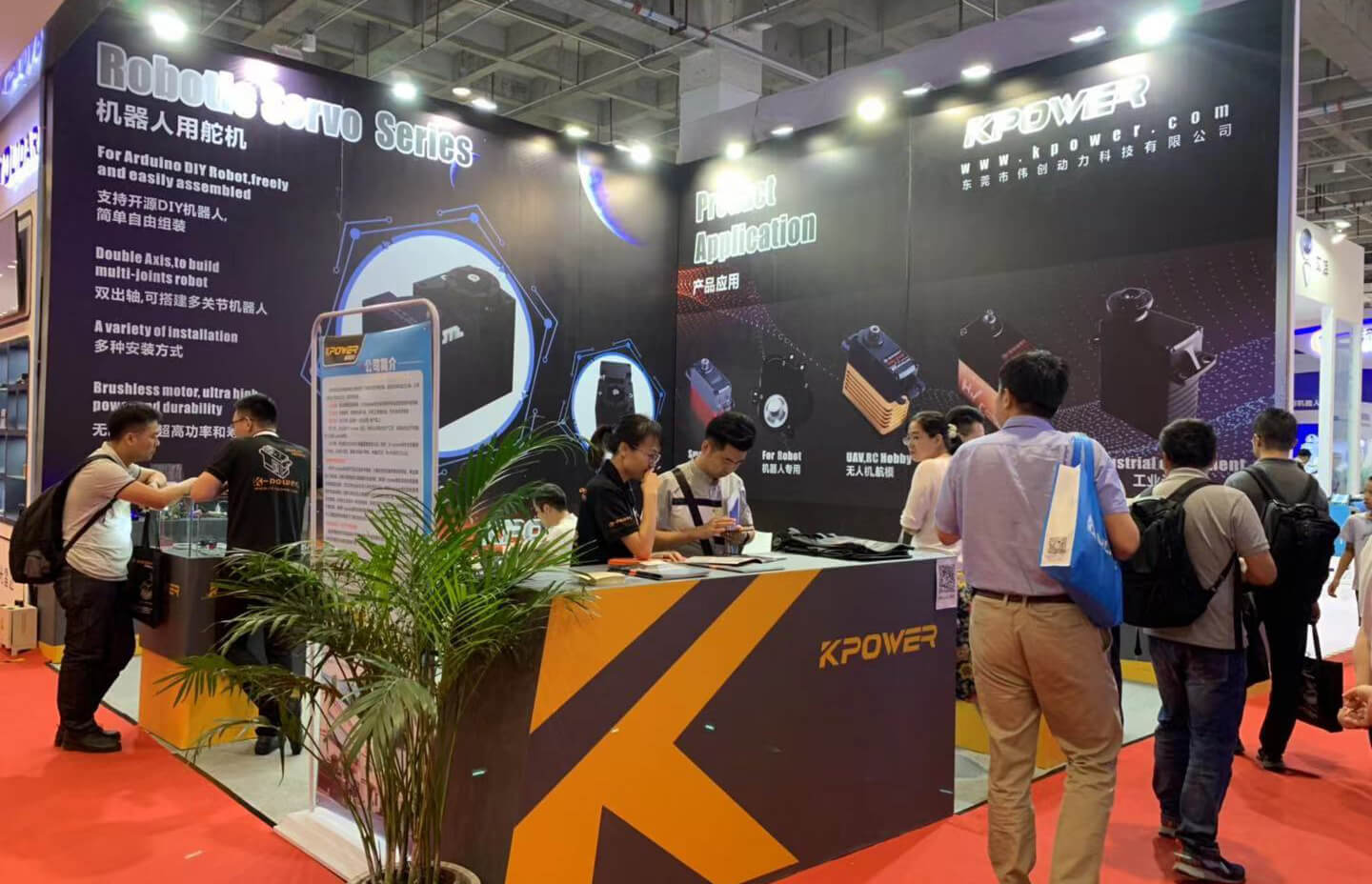
1. Introduction to Steering Actuator Compartments
The steering actuator compartment is designed to provide both structural support and environmental protection to the steering actuator. It ensures the actuator operates efficiently while safeguarding it from external factors such as dust, moisture, and mechanical stress. The compartment is typically integrated into larger systems, such as robotic arms or control surfaces, where precise positioning is essential.
2. Components of a Steering Actuator Compartment
A typical steering actuator compartment consists of:
- Actuator Housing: A durable casing that encases the actuator assembly.
- Mounting Mechanisms: Components that securely attach the compartment to the system it is controlling.
- Control Interfaces: Interfaces for communication with external systems, such as sensors, controllers, or power sources.
- Environmental Sealing: Features like gaskets or O-rings to prevent contaminants from entering the compartment.
3. Materials and Design Considerations
The materials used for the steering actuator compartment are critical to its performance and longevity. Common materials include aluminum, stainless steel, and high-strength plastics, chosen for their strength, corrosion resistance, and lightweight properties. The design of the compartment must consider factors such as thermal management, vibration dampening, and ease of maintenance.
4. Integration with servo motors and brushless motors
In many applications, the steering actuator compartment is paired with servo motors or brushless motors. Servo motors provide precise angular control, while brushless motors offer higher efficiency and longer lifespans. These motors are often paired with drive modules to ensure smooth and accurate motion control.
The integration of these components within the compartment ensures seamless communication and synchronization, allowing for precise adjustments in direction and position. Advanced control algorithms, such as PID (Proportional-Integral-Derivative) control, are implemented to optimize performance and responsiveness.
5. Applications of Steering Actuator Compartments
Steering actuator compartments are widely used in:
- Drones and UAVs: For pitch, roll, and yaw control.
- Automotive Industry: In steering systems for electric vehicles or autonomous driving applications.
- Marine Systems: For controlling rudders or stabilizers in boats and ships.
- Industrial Robotics: In robotic arms requiring precise positioning.
- Aerospace: For controlling flight surfaces such as ailerons and elevators.
6. Challenges and Innovations
The development of steering actuator compartments is driven by the need for higher precision, reliability, and efficiency. Challenges include minimizing mechanical wear, managing thermal expansion, and ensuring robust performance in harsh environments. Innovations in materials science, control electronics, and mechatronics are addressing these challenges, leading to more compact, lightweight, and high-performance compartments.
7. Future Trends
The future of steering actuator compartments is likely to involve smarter, more integrated systems. The incorporation of IoT (Internet of Things) sensors, AI-driven control algorithms, and modular design approaches will enhance functionality and adaptability. Additionally, the growing demand for energy efficiency is driving the development of compartments optimized for reduced power consumption.
In conclusion, the steering actuator compartment is a pivotal element in modern motion control systems. Its design, materials, and integration with advanced motor and drive technologies are critical to achieving precise and reliable directional control in a wide range of applications. As technology continues to evolve, the steering actuator compartment will remain at the forefront of innovation, enabling smarter and more efficient systems across industries.
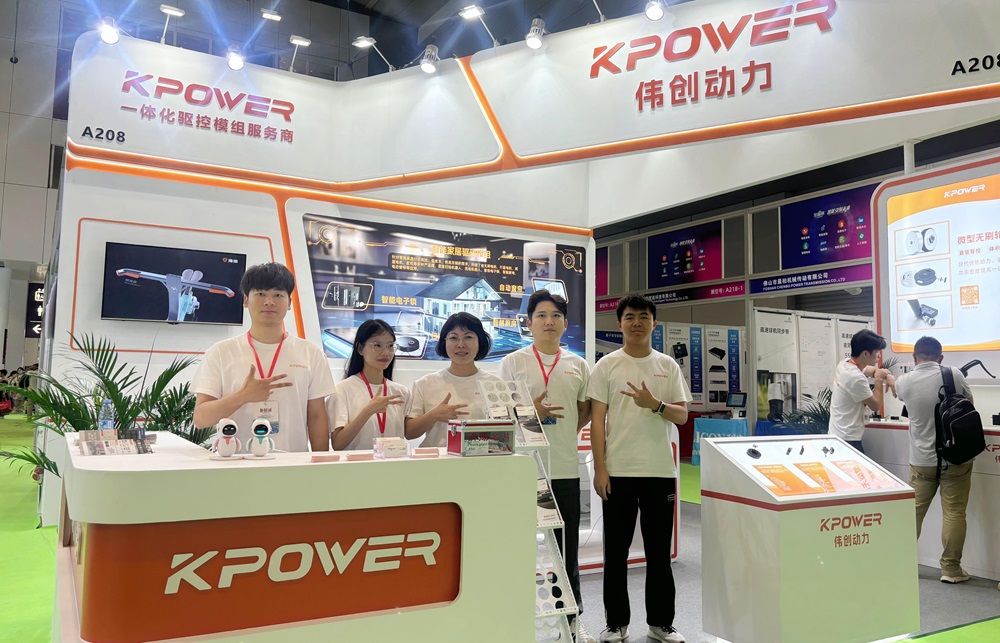
伟创动力(Kpower)成立于2005年,定位于专业的一体化驱控动力单元服务商。